Wood Burning Stove Building Regulations often seem complicated and make many scratch their heads, while they aren’t so at all. If you are planning to install a wood burner in your Lincolnshire home, learning those rules will save you time, money, and stress. In the UK, HETAS regulations for wood stoves are considered to ensure legal compliance, safety, and efficiency of the installation. Let’s explore it in this blog.
Wood Burning Stove Building Regulations Explained
UK Building regulations are published in the Approved Document J. These rules apply to:
• Wood-burning stoves
• Multi-fuel stoves
• Traditional open fireplaces
Instead of being restrictive, these safety measures are focused on practical areas, protecting your home and family.
What are the Regulations designed for?
• Fire safety: this test prevents stove-heat from overheating the walls, ceilings, or floor by setting minimum clearances from combustible materials.
• Air quality: It is the way to ensure that the smoke and fumes can be safely expelled and reduce the risk of carbon monoxide leaks. Proper ventilation and CO-alarm checks are made, too.
• Structural integrity: It confirms the fitness of the hearth to support the stove. Also, it ensures chimneys and flues can handle the heat and exhaust gases.
In short, the regulations are designed to ensure the quality, life, safety, efficiency, and reliability of the stove.
Why Do You Need Building Regulations for a Stove?
When the preset standards are ignored, a stove can become a lifetaker. Hereby, building regulations must be followed not only for the sake of meeting legal requirements but for ensuring safety and avoiding:
• Chimney fires due to poor flue design
• Poisoning through Carbon monoxide due to a lack of ventilation
• Chances of insurance claims being rejected
• Safety-related issues when the property is on sale
Understand the smoke control areas explained by the local council, because many UK towns have restrictions regarding the type of stove or fuel allowed for use.
Wood Burner Installation Regulations in the UK
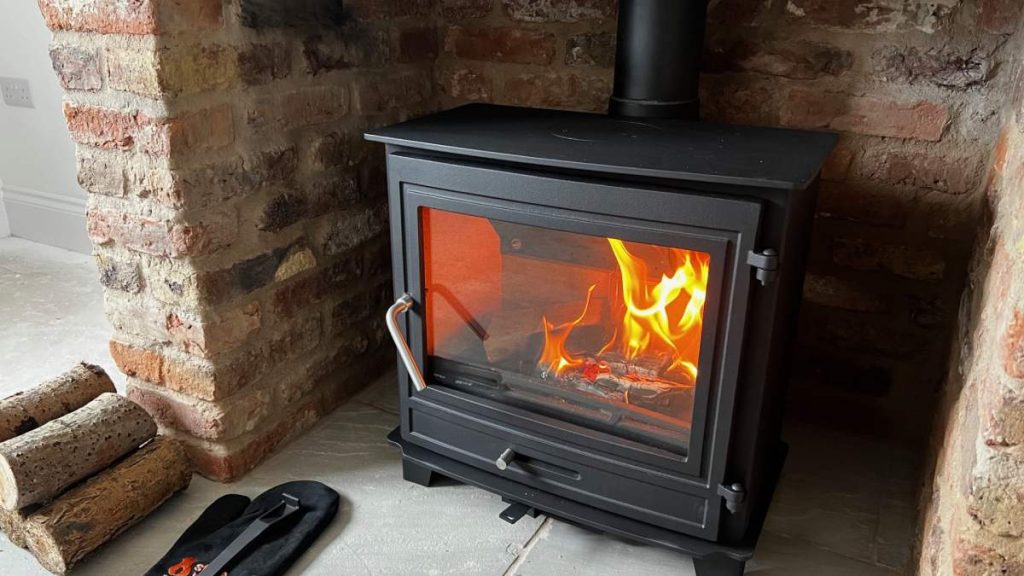
Wood burning stove regulations UK are beyond installation rules. The major focus areas include:
1. Hearth Requirements
The stove must sit on a non-combustible hearth that is perfectly thick, extends safety in front of and around the stove, and also protects the flooring from excess heat and falling embers.
2. Distance to Combustibles
Log burner installation regulations are all about instructions referring to the distance to combustibles like walls and plasterboard, timber beams, furniture and decorative finishings. The distance varies according to the stove model and the manufacturer’s instructions.
3. Flue & Chimney Regulations
A safe flue system is quintessential, and the regulations require:
• The correct flue diameter for the stove
• A minimum flue height to create a proper draft
• Chimney liners, particularly if the property is old
| Do these regulations apply when replacing existing stove too? Yes, they are applicable even when replacing an existing appliance. You must cautiously upgrade the old installations to meet current standards, as it ensures safety.
Stove Building Regulations and Surround Safety
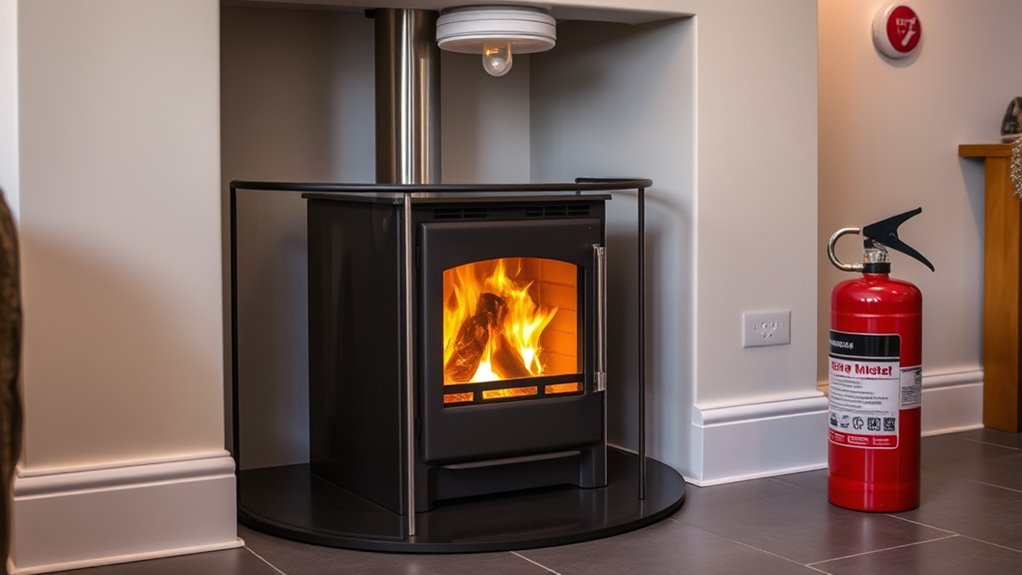
Installing the appliance doesn’t end the job. The fireplace must comply with the safety rules. Log burner surround regulations cover:
• Only approved non-combustible materials are installed
• Minimum distances for timber mantels
• Heat-resistant finishes are taken care of
Below are the popular compliant materials:
• Stone
• Slate
• Concrete
Choose any to achieve an appealing finish without compromising on safety.
Why HETAS Certification make Life Easier?
Preferring a HETAS-registered installer follows additional perks over the general benefits of HETAS-certified stove installations.
• UK regulatory compliance guaranteed
• Eliminates the need to notify the local building control separately
• Official certification for insurance and property sales
• A distinct peace of mind that the job is done by professionals
At TSR Fires & Flues Ltd, we self-certify your installations as a HETAS Commission and Certification authority, which ultimately saves you time and hassles.
Chimney Requirements Guide & Handy Checklist
The basic requirements of a chimney installation are as follows:
Before installation
• Chimney inspection and smoke testing
• Structural condition checks
• Assessing flue size
During installation
• Chimney lining
• Installing suitable cowls
• Assessing ventilation
After installation
• Certification and compliance checks
• Maintenance and sweeping
Once installed, aftercare includes regular sweeping, mainly when preparing your home for winter with a wood burning stove.
Who Is Responsible for Compliance?
The homeowner is responsible for verification that their installation is as per building regulations. But when you assign the task to a HETAS-registered installer, they’ll look after everything, right from installing the stove correctly to ensuring regulatory compliance and issuing certification. Ultimately, the owner is free from worries and uncertainties with the relief that the job is attempted legally.
The Takeaway: Hire the Experts for Regulatory-compliant Stove Installations
Wood burning stove building regulations are often perceived overwhelmingly, while they are meant for safety and can be managed responsibly. Ensure yours is attempted smoothly, timely, and with expertise by TSR Fites & Flues Ltd.
Our key service areas include:
• Certified stove installations
• Chimney linings and cowls
• Custom chimney and fire designs
• Chimney restoration
• Open fires
Looking for HETAS-certified wood burning stove installation services? Do you seek restoration or maintenance services? We’re just a call away! Reach out for expert consultation at tsrfires@outlook.com or 07850009725.
FAQs on Building Regulations for Stoves
Do I need planning permission to install a stove?
No, a planning permission is not required unless the property is listed/in a conservation area.
Can I install a stove myself?
Yes, you can install a stove on your own by informing the building control first and abiding by the property regulations. Installation by a professional is, however, recommended to get things done efficiently.
What are the commonly applicable wood stove clearances UK regulations?
The clearances vary according to the model and are determined by the regulations and the
manufacturer’s guidance.
Is an annual inspection required?
While it isn’t mandatory, running a routine check annually or annual chimney sweeping ensures
optimal performance.
What are HETAS regulations, and when do I need them?
HETAS Regulations and Certification prove compliance with the preset standards and are often
required among insurers and solicitors for validation.

